Discipline vs Punishment: Understanding Their Impact on Children Aged 3 to 6
- driya2824
- Jun 25
- 3 min read

Raising children between the ages of 3 and 6 is a rewarding yet challenging journey. At this stage, children are curious, energetic, and learning about boundaries. As a parent, I often wonder about the best way to guide their behavior. Should I focus on discipline in children or resort to punishment? Many parents ask, Is punishment good? and What is better punishment or discipline? Understanding the difference between discipline and punishment is crucial because it shapes how children learn self-control, respect, and responsibility.

What Discipline Means for Young Children
Discipline in children is about teaching and guiding rather than controlling or punishing. It helps children understand expectations and consequences in a way that encourages positive behavior. For kids aged 3 to 6, discipline means setting clear, consistent rules and explaining why those rules matter.
For example, if a child throws a toy, instead of scolding harshly, I explain that toys are for playing gently and show how to use them properly. This approach helps children learn from their mistakes and develop self-discipline.
Key aspects of discipline include:
Consistency: Children thrive when rules stay the same every day.
Positive reinforcement: Praising good behavior encourages children to repeat it.
Clear communication: Explaining reasons behind rules helps children understand and accept them.
Modeling behavior: Children imitate adults, so showing respect and patience teaches them to do the same.
How Punishment Differs and Its Effects
Punishment often focuses on making a child feel bad for misbehaving, usually through consequences like time-outs, taking away toys, or verbal reprimands. While punishment may stop unwanted behavior temporarily, it doesn’t teach children why the behavior is wrong or how to improve.
When I used punishment alone, I noticed my child would sometimes act out more or become fearful. This reaction is common because punishment can create anxiety or resentment rather than understanding.
Research shows that harsh punishment can:
Damage the parent-child relationship
Increase aggression or defiance in children
Lower self-esteem and emotional well-being
This is why many experts recommend focusing on discipline in children rather than punishment.
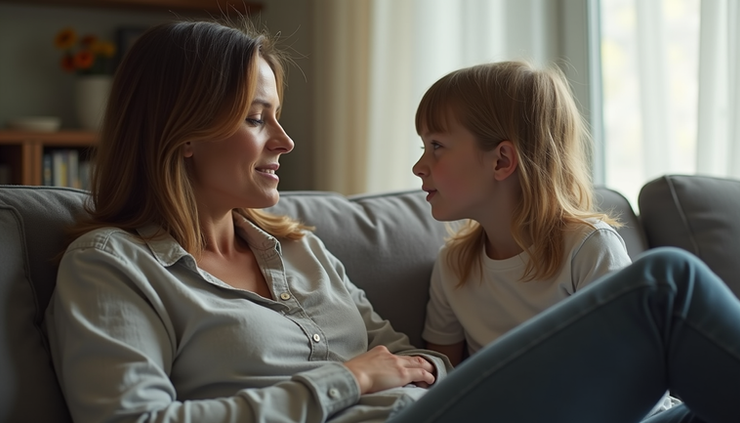
What Is Better: Punishment or Discipline?
The question What is better punishment or discipline? is common among parents. From my experience and what child development research suggests, discipline is the better choice for children aged 3 to 6.
Discipline teaches children how to make good choices and understand the impact of their actions. It builds skills like empathy, problem-solving, and self-control. Punishment, on the other hand, often focuses on control and fear, which can harm a child’s emotional growth.
Here are some practical ways to apply discipline effectively:
Set age-appropriate rules: For example, “We use gentle hands” or “We listen when someone is talking.”
Use natural consequences: If a child spills juice, they help clean it up. This shows cause and effect.
Offer choices: Giving children options helps them feel in control and learn decision-making.
Stay calm and patient: Children respond better when adults manage their emotions.
Real-Life Examples of Discipline in Action
Imagine a 4-year-old who refuses to share toys with a friend. Instead of punishing by taking the toy away, I encourage sharing by saying, “Let’s take turns so everyone can play.” If the child struggles, I might model sharing myself or suggest a timer to switch after a few minutes.
In another case, when a 5-year-old throws a tantrum over bedtime, I explain why sleep is important and offer a calming bedtime routine. This approach helps the child feel understood and more willing to cooperate.
These examples show how discipline in children creates learning moments rather than power struggles.

Why Discipline Matters More Than Punishment
Discipline builds a foundation for lifelong skills. Children who experience consistent, loving discipline tend to:
Develop better emotional regulation
Show more respect for others
Have stronger problem-solving abilities
Feel secure and confident
When I focus on discipline, I see my child grow into a thoughtful and responsible person. This approach also strengthens our relationship, making it easier to navigate challenges together.
If you’re wondering Is punishment good? remember that while it might stop bad behavior quickly, it doesn’t teach your child how to behave better. Discipline offers a path to understanding and growth.


Comments