Finding Balance in the Digital Age: A Parent's Guide to Intentional Screen Time
- driya2824
- Jul 10
- 3 min read

In today’s world, screens are everywhere. From tablets and smartphones to TVs and computers, children interact with digital devices daily. For parents, this can create a mix of concern and confusion. How much screen time is too much? How can you make sure your child’s digital habits are healthy and meaningful? This guide offers practical advice for parents who want to approach screen time with intention, creating a balanced and guilt-free experience for the whole family.
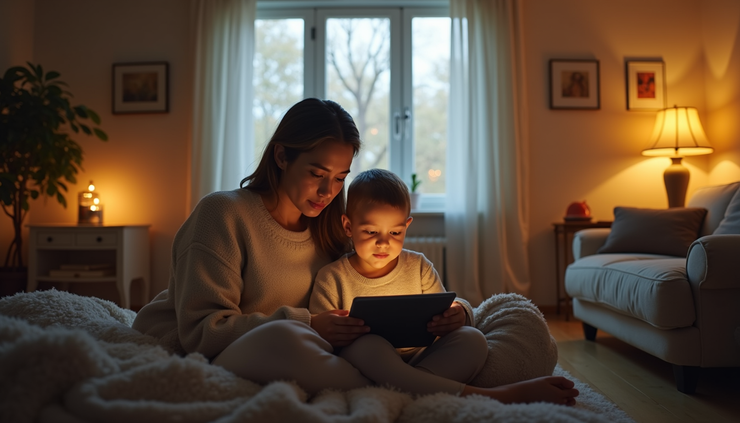
Understanding Screen Time with Intention
Intentional screen time means using digital devices in a way that supports learning, creativity, and connection rather than just filling time. It’s about quality over quantity. Instead of focusing solely on limiting minutes, parents can guide children toward activities that add value to their development and family life.
Intentional screen time can include:
Educational apps that teach new skills
Interactive storytelling or creative projects
Video calls with family members
Relaxing or mindfulness apps for winding down
By choosing purposeful content, parents help children develop a healthy relationship with technology.
Setting Clear and Flexible Boundaries
Clear boundaries help children understand expectations without feeling restricted. These boundaries should be flexible enough to adapt to different days and situations. For example, a weekday might have stricter limits than weekends or holidays.
Tips for setting boundaries:
Create a daily screen time schedule that fits your family’s routine
Use screen-free zones like the dining table or bedrooms
Encourage breaks every 30-60 minutes to rest eyes and move around
Discuss the reasons behind limits to help children feel involved
Remember, boundaries are not about punishment but about balance and well-being.
Encouraging Alternative Activities
Screen time should not replace other important activities. Encouraging children to engage in hobbies, outdoor play, reading, and family time helps build a well-rounded lifestyle.
Ideas to balance screen use:
Schedule daily outdoor play or walks
Set aside time for arts and crafts or music
Read books together or listen to audiobooks
Plan family game nights or cooking sessions
These activities provide opportunities for creativity, physical activity, and bonding.

Modeling Healthy Screen Habits
Children learn by watching adults. Parents who demonstrate balanced screen use set a strong example. This means managing your own screen time and showing how to use devices thoughtfully.
Ways to model good habits:
Put phones away during meals and conversations
Share your reasons for using screens, like reading news or video calls
Show how to take breaks and avoid multitasking with devices
Use technology together to create shared experiences
Modeling helps children understand that screens are tools, not distractions.
Using Technology to Connect and Learn
Technology can bring families closer and open doors to new knowledge. Using screens intentionally means choosing apps and programs that promote interaction and growth.
Examples include:
Video chats with relatives who live far away
Educational games that challenge problem-solving skills
Virtual museum tours or science experiments
Language learning apps for fun practice
These uses turn screen time into opportunities for connection and enrichment.

Avoiding Guilt and Finding Your Family’s Rhythm
Many parents feel guilty about their children’s screen time. It’s important to remember that screens are part of modern life, and the goal is balance, not perfection. Every family is different, so find a rhythm that works for you.
Tips to reduce guilt:
Focus on the quality of screen time, not just the amount
Celebrate small wins like shared screen activities or learning moments
Allow flexibility for busy days or special occasions
Talk openly with your children about screen use and feelings
By approaching screen time with kindness and intention, parents can create a positive environment for their children’s growth.
Balancing screen time is a challenge, but it is possible with clear boundaries, purposeful choices, and open communication. Intentional screen time helps children benefit from technology without losing sight of other important parts of life. Start by setting simple rules, encouraging diverse activities, and modeling healthy habits. This approach supports your child’s development and strengthens family connections in the digital age. Take the first step today by choosing one new intentional screen activity to try together.


Comments