Play as Real Work: The Importance of Unstructured Play for Children's Brain Development
- driya2824
- Jul 8
- 3 min read

Children’s play is often seen as just fun and games, but it is much more than that. Unstructured play, where children lead their own activities without strict rules or adult direction, plays a crucial role in brain development. This kind of play helps build essential skills that support learning, creativity, and emotional growth. Understanding why unstructured play matters can help parents, educators, and caregivers create environments where children thrive.
What Is Unstructured Play?
Unstructured play means children choose what to do, how to do it, and when to stop. It contrasts with structured activities like sports practice or classroom lessons that have specific goals and adult supervision. Examples of unstructured play include:
Pretending to be animals or characters
Building forts with pillows and blankets
Exploring nature outdoors
Drawing or painting without instructions
This type of play allows children to use their imagination and make decisions independently. It encourages problem-solving and social skills as they interact with peers or navigate challenges on their own.
How Unstructured Play Supports Brain Development
The brain develops rapidly during early childhood, and play provides the experiences needed to build strong neural connections. Here are some ways unstructured play benefits brain growth:
Encourages Creativity and Imagination
When children invent games or stories, they activate parts of the brain involved in creativity. This helps them think flexibly and come up with new ideas later in life. For example, a child building a spaceship from cardboard boxes is practicing creative thinking and spatial awareness.
Builds Executive Function Skills
Executive functions include planning, attention, memory, and self-control. Unstructured play challenges children to set goals, remember rules they create, and adjust their actions. These skills are essential for success in school and everyday life.
Enhances Social and Emotional Development
Playing without adult direction often involves negotiating roles, sharing, and resolving conflicts. These interactions teach empathy, cooperation, and emotional regulation. Children learn how to manage feelings and understand others’ perspectives.
Supports Physical Development
Active play, such as climbing or running, strengthens motor skills and coordination. Physical activity also boosts brain function by increasing blood flow and releasing chemicals that support learning.
Examples of Unstructured Play in Everyday Life
Parents and caregivers can encourage unstructured play in simple ways:
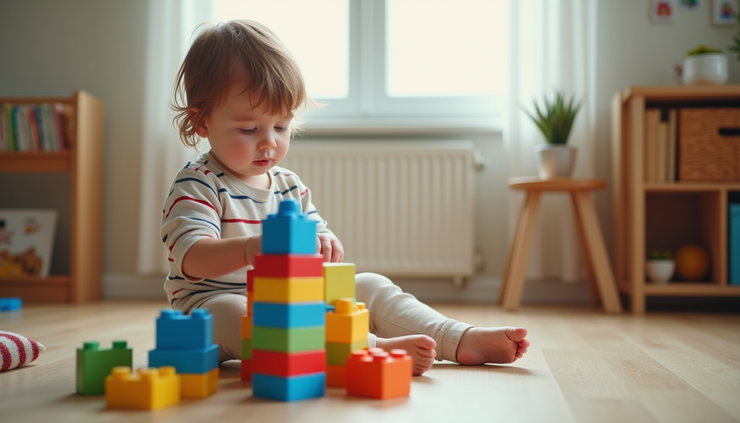
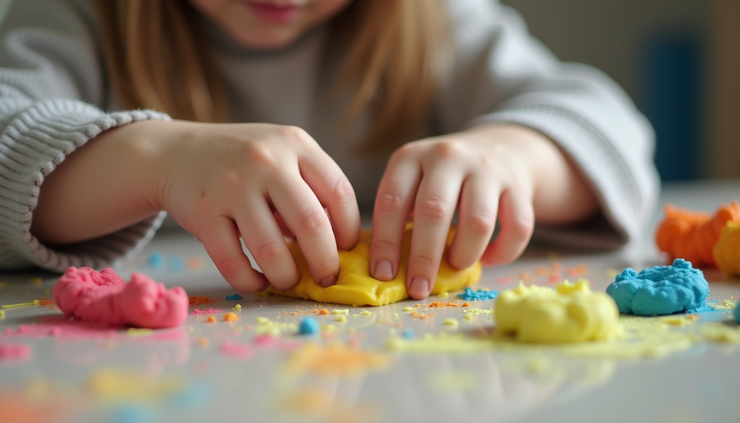
Provide open-ended toys like blocks, art supplies, or dress-up clothes.
Create safe outdoor spaces where children can explore freely.
Limit screen time to encourage more hands-on activities.
Allow children to decide how to spend their free time without strict schedules.
For instance, a family backyard can become a mini adventure zone where kids dig in the dirt, build obstacle courses, or invent games with siblings. These moments are rich with learning opportunities.
Challenges to Unstructured Play Today
Modern lifestyles often limit opportunities for unstructured play. Busy schedules, safety concerns, and increased screen use reduce time for free play. Schools may focus heavily on academics, leaving little room for play during the day.
Parents may worry about children being bored or not learning enough without structured activities. However, research shows that unstructured play is a form of learning itself. It builds skills that formal education alone cannot provide.
How to Balance Play and Structure
While structured activities have their place, balancing them with plenty of unstructured play is key. Here are some tips:
Set aside daily time for free play without screens or adult-led tasks.
Encourage outdoor play where children can explore nature and move their bodies.
Observe children’s play without interrupting, allowing them to lead.
Offer materials that inspire creativity but don’t dictate how to use them.
This balance helps children develop independence and confidence while still benefiting from guidance and learning opportunities.

Supporting Children’s Growth Through Play
Recognizing unstructured play as real work means valuing the time children spend exploring, imagining, and creating. It is a foundation for healthy brain development and lifelong skills. Adults can support this by:
Trusting children’s ability to direct their own play
Providing safe, stimulating environments
Reducing pressure to fill every moment with structured tasks
Encouraging curiosity and risk-taking in play
By doing so, we help children build strong brains and happy childhoods.


Comments